Why Email Marketing Strategy Should Be Different for Fashion and CBD Brands
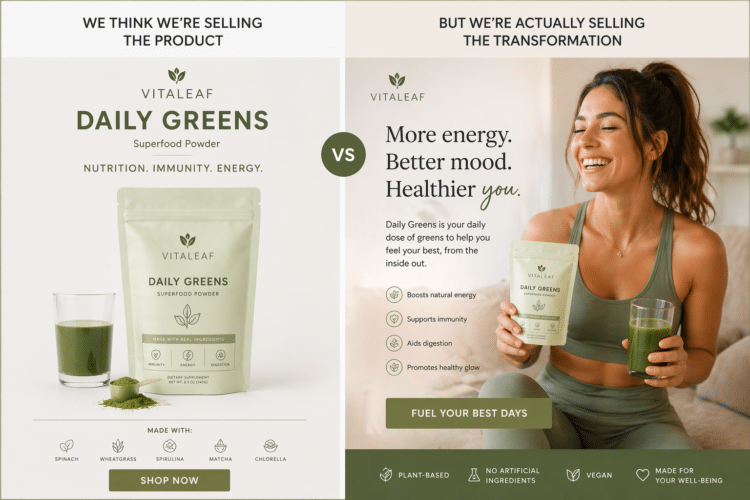
Many eCommerce brands make the same mistake in email marketing: they apply one strategy across completely different product categories.
At first glance, a fashion brand and a CBD brand may seem similar. Both use platforms like Klaviyo. Both run campaigns, flows, segmentation, and promotions.
But the way customers make buying decisions in these two categories is fundamentally different — and that changes everything.
The Core Difference: Customer Psychology
Email marketing performance is not driven only by design, timing, or discounts.
It is driven by how people decide to buy.
A fashion customer and a CBD customer are not in the same mindset when they open an email.
Understanding that difference is the foundation of a strong strategy.
Fashion Brands: Fast, Visual, and Emotion-Driven
Fashion is a high-speed, visually driven category.
Customers often buy based on:
- how the product looks
- how it fits their identity
- current trends or seasons
- limited-time availability
The decision is often impulsive.
That means email marketing for fashion brands needs to:
- capture attention immediately
- rely on strong visuals and product presentation
- move quickly with campaigns and promotions
- create urgency and momentum
In this category, emails act as triggers.
They create desire, highlight timing, and make it easy for the customer to act fast.
CBD Brands: Slow, Trust-Based, and Educational
CBD is a completely different environment.
Customers are rarely impulsive. Instead, they often come with:
- questions
- hesitation
- skepticism
- a need for reassurance
They are not just buying a product.
They are buying relief, support, and a solution to a problem.
This changes the role of email marketing.
Instead of pushing for immediate conversion, email needs to:
- build trust over time
- educate the customer
- explain benefits and use cases
- reduce friction and uncertainty
The goal is not just to sell, but to make the customer feel confident enough to buy.
Why One Strategy Does Not Work for Both
Many brands use the same email structure across categories:
strong visuals → discount → call to action
This works well in fashion.
It often fails in CBD.
Why?
Because CBD customers need more context before they convert.
And fashion customers often do not.
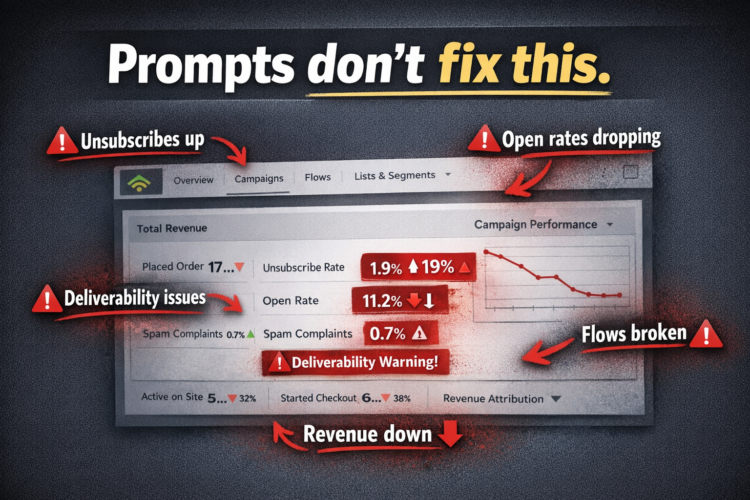
Applying the wrong approach leads to:
- lower engagement
- weaker click behavior
- slower conversion cycles
- flat revenue performance
How Strategy Impacts Email Performance
The difference between categories affects every part of email marketing:
Campaign Strategy
Fashion: frequent, promotional, trend-driven
CBD: more balanced, educational + promotional
Flows
Fashion: shorter paths to purchase
CBD: longer nurturing sequences
Content Style
Fashion: visual, product-focused
CBD: informative, trust-building
Offer Strategy
Fashion: urgency and discounts work well
CBD: trust and clarity matter more than discounts
Email Frequency
Fashion: higher frequency tolerated
CBD: requires more thoughtful pacing
The Role of Trust vs Impulse
A fashion purchase often happens because:
the product looks good and the timing feels right.
A CBD purchase happens when:
the customer feels informed, safe, and confident.
This is why email marketing must align with the type of decision being made.
The Biggest Mistake Brands Make
Most brands do not struggle because of poor design or lack of campaigns.
They struggle because they apply a generic strategy to a specific category.
They focus on:
Instead of focusing on:
how their customer actually makes decisions.
Conclusion: Strategy Should Follow Behavior
Strong email marketing is not about sending more emails or designing better templates.
It is about aligning your strategy with customer behavior.
The same Klaviyo setup will not perform equally across all industries.
What works for a fast-moving fashion brand can feel too aggressive for a CBD brand.
What works for a CBD brand can feel too slow for fashion.
If you want to improve performance, start with one question:
How does your customer actually buy?
Because once you understand that, the right email strategy becomes much clearer.