
Creating Effective Welcome Email Series for New Subscribers
In the world of email marketing, the first impression is crucial. For many brands, the initial interaction with new subscribers sets the tone for the entire customer journey. A well-crafted welcome email series is essential to convert new subscribers into loyal customers. In this post, we’ll explore best practices for creating an engaging welcome email series.
1. Craft a Compelling Welcome Email
The very first email in your welcome series should capture your brand’s essence and set the stage for future communications. According to Mailchimp, a compelling welcome email should:
- Personalize the Experience: Address the subscriber by name and offer content that resonates with their interests. This personal touch can significantly increase engagement rates.
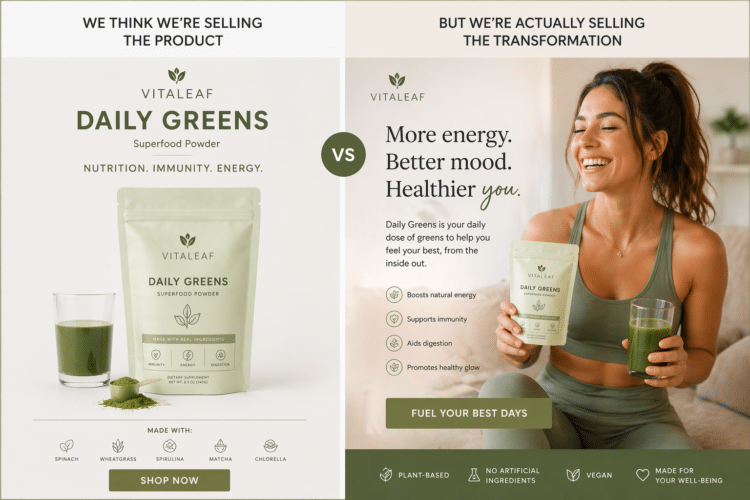
- Clearly Communicate Value: Highlight what subscribers can expect from your emails. Whether it’s exclusive offers, useful tips, or industry news, make it clear why staying subscribed will benefit them.
- Include a Strong Call-to-Action (CTA): Whether it’s a special offer, a survey, or a link to your most popular blog post, your CTA should be clear and enticing.
2. Design a Multi-Step Welcome Series
A single welcome email is just the beginning. Klaviyo emphasizes the importance of a structured multi-step series to nurture new subscribers:
- Step 1: Immediate Welcome – The first email should be sent as soon as a user subscribes. This email should include a warm greeting, an overview of what’s to come, and a special incentive or offer.
- Step 2: Onboarding Content – Follow up with content that helps new subscribers get acquainted with your brand. This could include guides, tutorials, or a behind-the-scenes look at your company.
- Step 3: Social Proof and Testimonials – Share testimonials or case studies to build trust and validate your brand’s credibility.
- Step 4: Encourage Engagement – Provide subscribers with opportunities to engage further, such as joining a community, following you on social media, or participating in a referral program.
3. Leverage Segmentation and Personalization
Effective welcome series are tailored to the subscriber’s behavior and interests. According to Klaviyo, using segmentation can enhance the relevance of your emails:
- Segment by Source: Tailor your welcome emails based on how the subscriber joined your list, whether through a lead magnet, social media, or a purchase.
- Use Behavioral Data: Incorporate data such as browsing history or purchase behavior to personalize the content and offers in your welcome series.
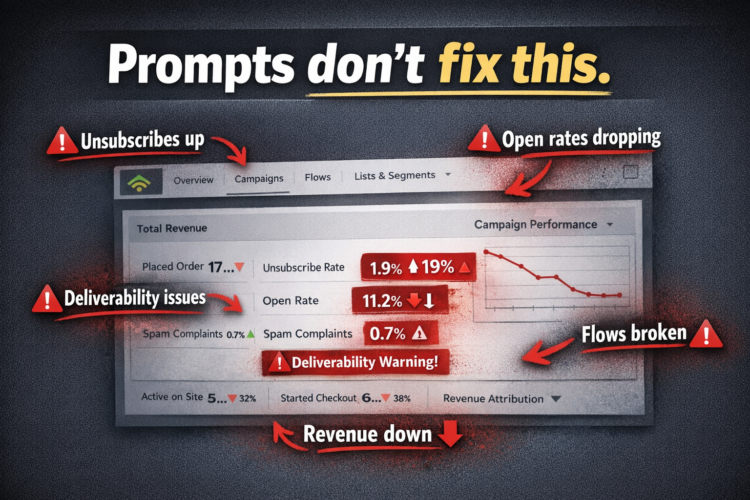
4. Optimize for Deliverability and Engagement
To ensure your emails reach the inbox and engage subscribers, follow these best practices:
- Maintain a Clean List: Regularly update and clean your email list to remove inactive or invalid addresses.
- Monitor Metrics: Track key performance indicators like open rates, click-through rates, and conversion rates to assess the effectiveness of your welcome series.
- Test and Refine: A/B test different elements of your emails, such as subject lines and CTAs, to continually improve performance.
5. Focus on Mobile Optimization
With a growing number of users accessing emails on mobile devices, ensure that your welcome emails are mobile-friendly. This includes:
- Responsive Design: Use a responsive email template that adjusts to different screen sizes.
- Concise Content: Keep your content brief and to the point, making it easy for readers to digest on small screens.
Conclusion
Creating an effective welcome email series is a crucial step in converting new subscribers into loyal customers. By personalizing your emails, designing a thoughtful multi-step series, leveraging segmentation, optimizing for deliverability, and focusing on mobile responsiveness, you can create a welcoming experience that encourages engagement and fosters long-term relationships. Implement these best practices to ensure your welcome series is not only engaging but also sets the foundation for a successful email marketing strategy.
For more insights on crafting compelling email campaigns, check out resources from Mailchimp and Klaviyo.