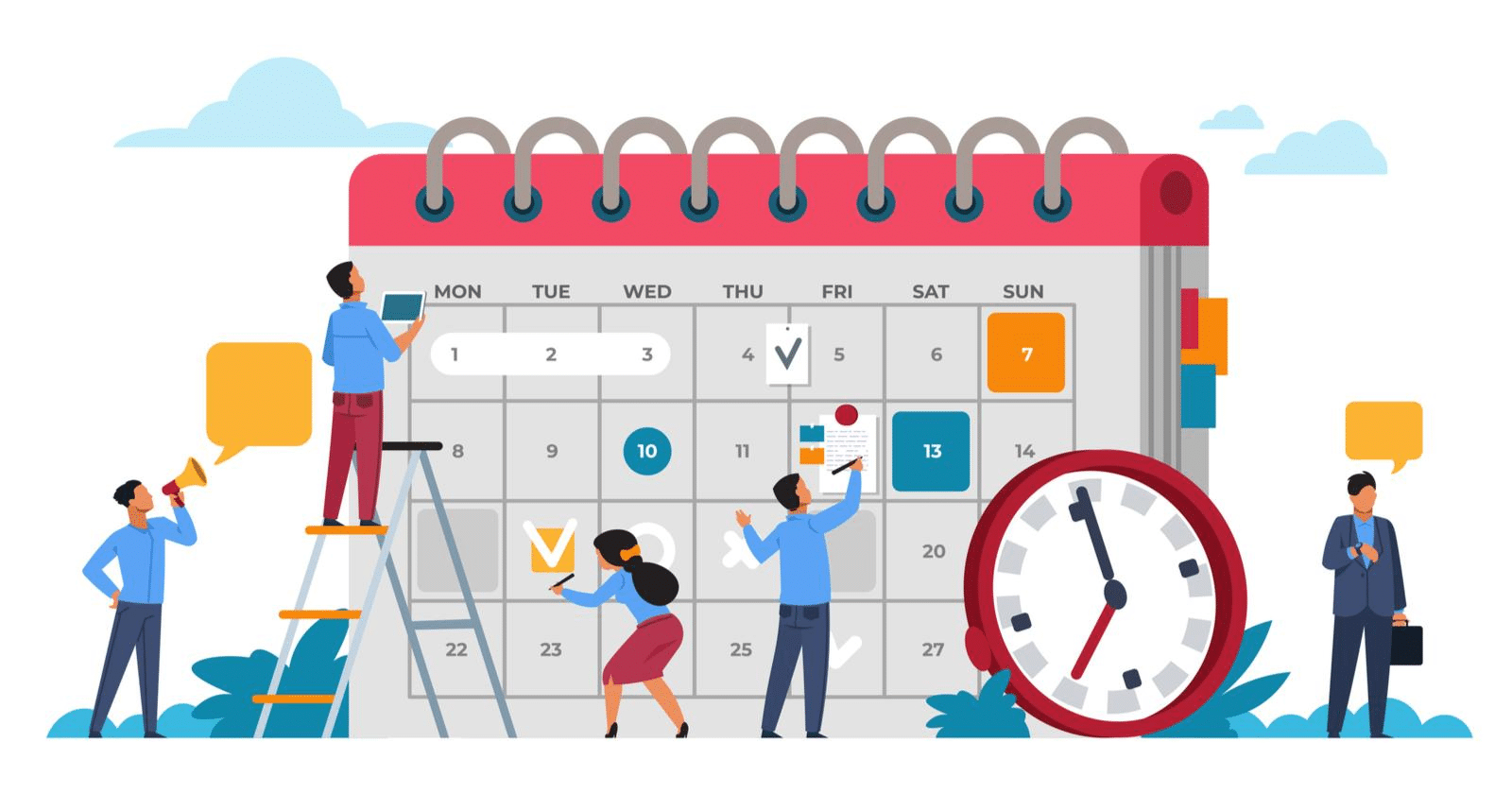
As we approach the end of 2024, now is the perfect time to start planning your email marketing calendar for 2025. A well-structured calendar will help you stay organized, ensure timely delivery of your campaigns, and maximize your marketing efforts throughout the year. Here’s a comprehensive guide to setting up your email marketing calendar, based on insights from Mailchimp and Klaviyo.
1. Define Your Objectives and Goals with Email Marketing Calendar for 2025
Why It Matters: Clear objectives will guide your email marketing strategy and help you measure success.
Steps:
- Identify Key Goals: Determine what you want to achieve with your email marketing, such as increasing sales, growing your subscriber list, or enhancing customer engagement.
- Set Specific KPIs: Define key performance indicators (KPIs) like open rates, click-through rates, conversion rates, and revenue generated.
Source: Mailchimp’s Planning Your 2025 Email Calendar emphasizes the importance of setting clear objectives to drive your email strategy.
2. Audit Your Current Email Marketing Efforts
Why It Matters: Understanding your current performance will help you identify strengths and areas for improvement.
Steps:
- Review Past Campaigns: Analyze previous email campaigns to see what worked and what didn’t.
- Evaluate Subscriber Data: Look at subscriber engagement, preferences, and behavior to tailor your future campaigns.
Source: Klaviyo’s Building an Email Calendar suggests conducting a thorough audit to inform your planning for the upcoming year.
3. Plan Your Content Themes and Campaigns
Why It Matters: Consistent and relevant content will keep your audience engaged and interested.
Steps:
- Identify Key Dates: Mark important dates such as holidays, product launches, and special events that you want to target.
- Create Content Themes: Develop themes for different times of the year based on your goals and audience interests. Plan campaigns around these themes to maintain a cohesive message.
Source: Mailchimp’s guide highlights the need for thematic planning to ensure that your email content aligns with key dates and events.
4. Develop a Content Calendar
Why It Matters: A detailed content calendar will help you schedule and manage your email campaigns efficiently.
Steps:
- Create a Calendar Template: Use a digital calendar or spreadsheet to map out your email campaigns for each month.
- Schedule Campaigns: Allocate specific dates for different types of emails, such as promotional offers, newsletters, and transactional emails.
- Assign Responsibilities: Determine who will be responsible for creating and sending each email.
Source: Klaviyo’s blog post provides practical advice on developing a content calendar to keep your email marketing efforts organized and on track.
5. Plan for Segmentation and Personalization
Why It Matters: Personalized emails are more effective at engaging your audience and driving conversions.
Steps:
- Segment Your Audience: Define different customer segments based on demographics, behavior, and interests.
- Develop Personalization Strategies: Plan how you will tailor your email content to each segment to increase relevance and engagement.
Source: Both Mailchimp and Klaviyo emphasize the importance of segmentation and personalization in their email marketing strategies.
6. Set Up Tracking and Analytics
Why It Matters: Tracking your performance will help you measure the success of your campaigns and make data-driven decisions.
Steps:
- Implement Tracking Tools: Use analytics tools to monitor email performance, including open rates, click-through rates, and conversions.
- Regularly Review Data: Analyze your campaign performance regularly to identify trends and areas for improvement.
Source: Mailchimp’s and Klaviyo’s insights both stress the need for effective tracking and analytics to optimize your email marketing efforts.
7. Test and Optimize
Why It Matters: Testing different elements of your emails will help you determine what works best for your audience.
Steps:
- Conduct A/B Tests: Experiment with different subject lines, email designs, and call-to-actions to see what performs best.
- Optimize Based on Results: Use the insights from your tests to refine your email campaigns and improve their effectiveness.
Source: Klaviyo’s recommendations include ongoing testing and optimization to enhance your email marketing performance.
8. Prepare for Potential Challenges
Why It Matters: Anticipating challenges will help you address issues before they impact your campaigns.
Steps:
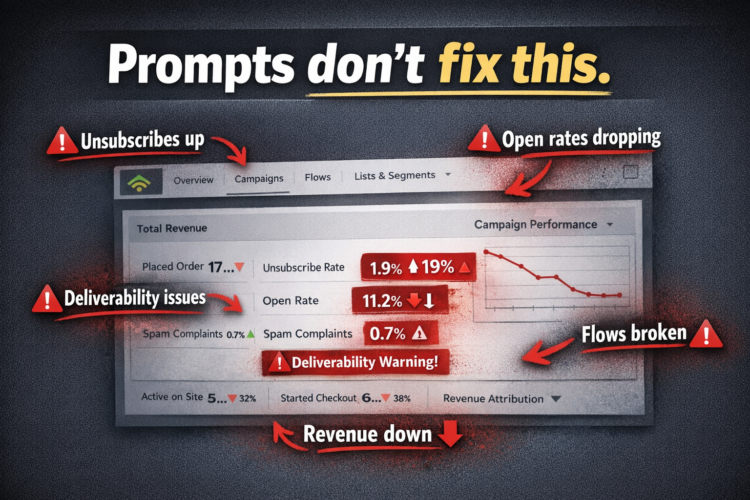
- Identify Potential Obstacles: Consider potential challenges such as email deliverability issues, changes in regulations, or shifts in consumer behavior.
- Develop Contingency Plans: Create strategies to handle these challenges and ensure your email marketing efforts stay on track.
Source: Mailchimp’s guide suggests being proactive in planning for potential challenges to maintain the effectiveness of your campaigns.
Conclusion: Email Marketing Calendar for 2025
Planning your email marketing calendar for 2025 is crucial for achieving your marketing goals and staying ahead of the competition. By following these steps and leveraging insights from Mailchimp and Klaviyo, you can create a comprehensive and effective email marketing strategy for the upcoming year.
For more detailed guidance on setting up your email marketing calendar, check out Mailchimp’s Planning Your 2025 Email Calendar and Klaviyo’s Building an Email Calendar. Start planning now to set the stage for a successful year ahead!