How Do I Build an Email List for eCommerce Marketing?
Building a robust and engaged email list is one of the most effective ways to grow your eCommerce business. Your email list is a valuable asset that allows you to directly reach potential and existing customers with promotions, updates, and personalized offers. But how do you build this list? In this blog post, we’ll walk you through the best strategies to build a high-quality email list that will drive engagement and conversions for your eCommerce business.
1. Offer Incentives to Encourage Sign-Ups:
One of the most effective ways to build your email list quickly is by offering incentives that motivate users to sign up. People are more likely to share their email addresses in exchange for something valuable. Here are some popular incentives:
- Discounts and Coupons: Offering a discount (e.g., 10% off their first purchase) is a powerful incentive. Make sure it’s easy to redeem and makes your email list feel worthwhile.
- Freebies or Gifts: Consider offering a free product sample, downloadable resources, or exclusive content like guides or eBooks in exchange for signing up.
- Exclusive Offers: Make your subscribers feel special by providing access to exclusive offers, early bird discounts, or first dibs on new product releases.
To make the most of this strategy, promote these incentives across your website, social media, and landing pages to reach the broadest possible audience.
2. Implement Pop-Ups on Key Pages:
Pop-ups are an effective tool for capturing email sign-ups, especially when they are strategically placed on your site. You can use pop-ups in several ways:
- Exit-Intent Pop-Ups: These appear when a visitor is about to leave your website. By offering an incentive just before they exit, you can capture their email address before they go.
- Timed Pop-Ups: Display a pop-up after a visitor has been on your site for a certain amount of time (e.g., 30 seconds). This allows the visitor to explore your site first, creating a sense of value before asking for their email.
- Scroll-Triggered Pop-Ups: These appear after a visitor has scrolled a certain percentage of your page, signaling that they are engaged and likely to convert.
Make sure the pop-up is non-intrusive and easy to dismiss. You don’t want to disrupt the user experience, but rather enhance it by offering value.
3. Add an Email Sign-Up Option at Checkout:
The checkout process is one of the most valuable opportunities to capture an email address. When customers are completing their purchases, offer them the option to sign up for your email list. Here are a few ways to do this effectively:
- Pre-Purchase Email Collection: During checkout, ask customers if they would like to receive updates, special offers, or order-related information via email. You can also offer a discount for signing up at this point.
- Post-Purchase Emails: After a purchase is completed, encourage customers to sign up for your email list so they can stay informed about future promotions, new products, and updates. Since they’ve already purchased from you, they are more likely to be interested in staying connected.
By including an email sign-up option at this crucial stage, you can quickly expand your list with customers who have already demonstrated a level of interest in your brand.
4. Leverage Social Media to Promote Your Email List:
Social media platforms are powerful tools for driving email list sign-ups. By integrating email capture into your social media strategy, you can reach a wider audience and encourage followers to join your email list. Here are some ideas:
- Instagram and Facebook Stories: Use these platforms to promote exclusive offers, discounts, or events that are only available to email subscribers. Add a clear call-to-action (CTA) directing followers to sign up via a link in your bio or a swipe-up link.
- Social Media Ads: Run targeted ads that incentivize users to sign up for your email list. Consider offering a discount or special offer for first-time email subscribers through a lead generation campaign.
- Contests and Giveaways: Run a contest or giveaway where entry requires an email sign-up. This can attract a large number of people to your email list, especially if you offer a highly desirable prize.
By making the sign-up process easy and appealing on social media, you can quickly grow your email list.
5. Create Valuable and Relevant Content:
To attract genuinely interested subscribers, focus on delivering value through your content. Instead of simply asking for email addresses, offer something meaningful in return. Some ideas include:
- Blog Posts: Share informative and engaging blog content that is highly relevant to your target audience. Include opt-in forms within your blog posts or at the end to encourage sign-ups.
- Exclusive Content: Create special content such as how-to guides, video tutorials, or webinars that require email registration to access. This builds a sense of exclusivity and attracts those truly interested in your niche.
- Product Updates: Offer early access or sneak peeks of new products or collections to your subscribers. Customers who care about your brand and products are more likely to sign up for this type of content.
The key here is to attract subscribers who are genuinely interested in your brand and what you offer. This ensures higher engagement and a more responsive audience.
6. Prioritize Quality Over Quantity:
While it may be tempting to focus on quickly building a large email list, it’s more important to prioritize quality over quantity. It’s better to have a smaller, engaged group of subscribers who are likely to convert than a large list of uninterested or inactive subscribers. Here’s why:
- Higher Engagement: Subscribers who genuinely care about your brand are more likely to open your emails, click through to your website, and make purchases.
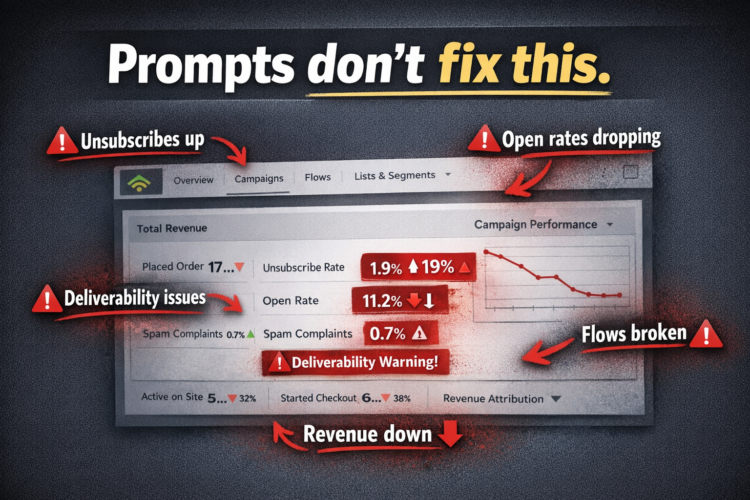
- Lower Unsubscribe Rates: Focusing on building an audience that is interested in your products will result in fewer unsubscribes and spam complaints.
- Better ROI: A smaller, highly engaged list can provide a better return on investment, as these subscribers are more likely to make purchases and become repeat customers.
Use segmentation and data to refine your list-building strategies. By targeting your efforts toward genuinely interested subscribers, you can ensure a higher level of engagement and more successful email campaigns.
Conclusion Email List for eCommerce :
Building an email list for eCommerce marketing is a strategic process that requires a combination of incentives, smart placement, and genuine engagement. Start by offering enticing incentives, implementing pop-ups, and leveraging your social media channels. Make sure to include an email sign-up option at checkout and provide valuable content that attracts interested subscribers. Most importantly, prioritize quality over quantity to ensure a highly engaged and responsive email list that drives conversions and helps grow your eCommerce business.