

Email Analytics and Reporting
In the competitive landscape of eCommerce, data is king. And when it comes to email marketing, email analytics and reporting are your crown jewels. These tools provide the insights you need to understand your audience, optimize your campaigns, and ultimately drive success.
Tracking Key Metrics:
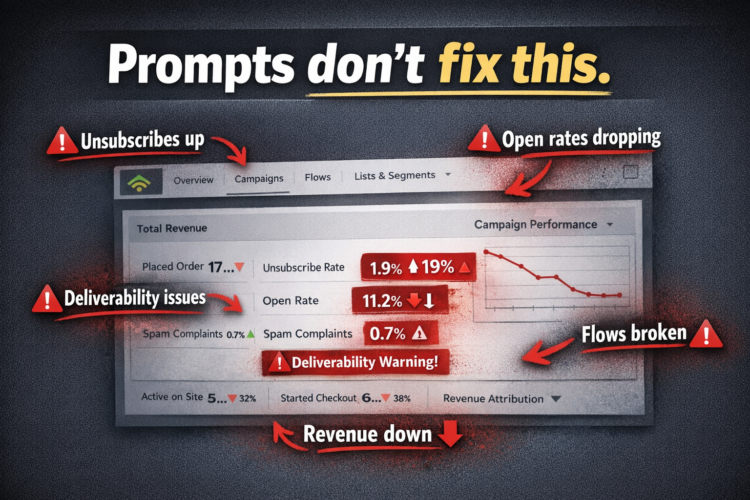
Metrics are the lifeblood of any effective email marketing campaign. By tracking key metrics like:
- Open rates: The percentage of subscribers who open your emails.
- Click-through rates: The percentage of subscribers who click on links within your emails.
- Conversion rates: The percentage of subscribers who take a desired action, such as making a purchase or signing up for a free trial.
- Unsubscribe rates: The percentage of subscribers who unsubscribe from your list.
You can gain valuable insights into how your campaigns are performing and identify areas for improvement.
Understanding Your Audience with Email Analytics and Reporting:
Email analytics go beyond just numbers. By analyzing data, you can uncover valuable insights about your audience, including:
- Demographics: Age, gender, location, etc.
- Purchase history: What they’ve bought and when.
- Email engagement: How often they open your emails and click on links.
- Interests and preferences: What products or content they’re interested in.
This understanding allows you to personalize your emails, send targeted messages, and increase engagement.
A/B Testing and Optimization:
Email marketing is a continuous learning process. A/B testing allows you to test different versions of your emails, such as subject lines, content, and design, to see what performs best. This data-driven approach allows you to:
- Optimize your subject lines: Increase open rates with compelling and relevant subject lines.
- Craft engaging content: Use content that resonates with your audience and encourages action.
- Design for impact: Create visually appealing and easy-to-read emails.
- Personalize your messages: Send targeted emails that speak directly to each subscriber.
By constantly testing and optimizing your emails, you can ensure they’re performing at their peak, maximizing your reach and impact.
Unlocking the Power of Data with Email Analytics and Reporting
Effective email analytics and reporting empower shop owners to:
- Make data-driven decisions: Use insights to inform your email marketing strategy and improve campaign performance.
- Increase engagement and conversions: Create personalized emails that resonate with your audience and drive desired actions.
- Build stronger customer relationships: Understand your customers better and nurture stronger relationships through personalized communication.
- Gain a competitive edge: Leverage valuable data to stay ahead of the curve and achieve your business goals.
Investing in robust email analytics and reporting tools is a strategic move for any shop owner serious about email marketing success. By understanding your audience, tracking key metrics, and continuously optimizing your campaigns, you can unlock the full potential of this powerful communication channel and drive your online business to new heights.
Additional Tips:
- Set clear goals for your email marketing campaigns and track metrics relevant to those goals.
- Use data visualization tools to make data easier to understand and interpret.
- Benchmark your performance against industry standards to identify areas for improvement.
- Share your email analytics data with your team to ensure everyone is aligned with your email marketing strategy.
- Stay up-to-date with the latest email analytics trends and technologies to get the most out of your data.
By putting these tips into practice, Email Analytics and Reporting you can leverage the power of email analytics and reporting to achieve your email marketing goals and build a thriving online business.