The holiday season is a critical time for e-commerce businesses, and analyzing your email campaigns post-season is crucial for understanding what resonated with your audience and what didn’t. This post-mortem analysis will help you identify successes and areas for improvement, setting the stage for even better results in future campaigns. Let’s dive into how you can effectively review your holiday email campaigns, drawing insights from Mailchimp and Klaviyo.
1. Review Your Key Metrics
Why It’s Important: Metrics provide a quantitative measure of your campaign’s performance and reveal how well your strategies worked.
How to Analyze:
- Open Rates: Gauge how effective your subject lines and preview texts were in capturing attention.
- Click-Through Rates (CTR): Assess the effectiveness of your email content and calls-to-action (CTAs).
- Conversion Rates: Measure how well your emails turned clicks into sales or other desired actions.
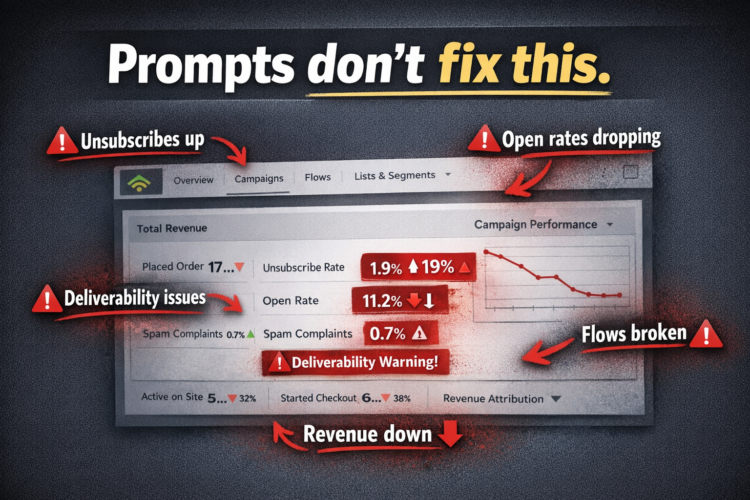
- Bounce Rates: Identify issues with email deliverability or list quality.
- Unsubscribe Rates: Evaluate if your content or frequency of emails led to dissatisfaction.
Example:
If your open rates were high but your conversion rates were low, it might indicate that while your subject lines were effective, the email content or CTA needs improvement.
2. Analyzing Holiday Campaigns Engagement by Segment
Why It’s Important: Different segments of your audience may respond differently to your campaigns. Analyzing these differences can provide insights into targeted strategies.
How to Analyze:
- Demographics: Compare performance metrics across different age groups, locations, or other demographic segments.
- Behavioral Data: Look at how various segments interacted with your emails based on their past behavior or purchase history.
- Engagement Patterns: Identify which segments had higher engagement rates and which ones underperformed.
Example:
If younger segments had higher click-through rates but lower conversion rates, consider tailoring your content and offers to better meet their preferences.
3. Evaluate Content and Design
Why It’s Important: The effectiveness of your email content and design directly impacts engagement and conversions.
How to Analyze:
- A/B Testing Results: Review the performance of different subject lines, email designs, or content variations.
- Content Relevance: Assess whether the content was relevant and engaging to your target audience.
- Design and Layout: Evaluate the visual appeal and usability of your emails, including mobile optimization.
Example:
If emails with personalized product recommendations had higher conversion rates, it indicates that this content type resonates well with your audience.
4. Assess Timing and Frequency
Why It’s Important: The timing and frequency of your emails can significantly impact their effectiveness.
How to Analyze:
- Send Times: Identify which times of day or days of the week resulted in the highest engagement.
- Frequency: Analyze the impact of your email frequency on engagement and unsubscribe rates.
- Holiday Timing: Evaluate how your emails performed in the lead-up to key holidays versus the actual holiday period.
Example:
If emails sent early in the day had higher open rates, consider adjusting your send times for future campaigns.
5. Gather Feedback and Insights
Why It’s Important: Direct feedback from recipients can provide valuable qualitative insights into their experiences and preferences.
How to Analyze:
- Customer Surveys: Conduct surveys to gather feedback on email content, design, and overall satisfaction.
- Social Media Comments: Review comments and interactions on social media related to your holiday campaigns.
- Customer Service Interactions: Analyze customer service inquiries and complaints related to your email campaigns.
Example:
If customers frequently mentioned issues with email clarity or delivery, address these concerns in your next campaign.
6. Identify Success Stories and Areas for Improvement
Why It’s Important: Highlighting what worked well and identifying areas for improvement will help refine your strategies for future campaigns.
How to Analyze:
- Success Stories: Document successful strategies and tactics that drove high engagement or conversions.
- Areas for Improvement: Identify patterns or recurring issues that need to be addressed.
Example:
If a particular promotional offer led to significant spikes in sales, consider incorporating similar offers into your future campaigns.
Analyzing Holiday Campaigns: Conclusion
Analyzing your holiday email campaigns provides valuable insights into what worked and what didn’t, helping you to refine your strategies and achieve better results in the future. By reviewing key metrics, analyzing segment performance, evaluating content and design, assessing timing, gathering feedback, and identifying successes and areas for improvement, you can enhance your email marketing efforts.
For more detailed guidance on analyzing your holiday campaigns, check out Mailchimp’s post-holiday campaign analysis and Klaviyo’s holiday campaign performance review. Start applying these insights today to boost your future campaign success!